How Vending Machines Can Transform Underserved Communities


The Role of Vending Machines in Underserved Communities
Vending machines have long been a staple of convenience, offering snacks and beverages at the touch of a button. However, their potential extends far beyond merely satisfying cravings. In underserved communities, vending machines can be a transformative tool, providing access to essential goods and services previously out of reach.

Bridging the Accessibility Gap
Many underserved areas suffer from a lack of nearby grocery stores or pharmacies, creating food deserts and health care voids. Vending machines can help bridge this accessibility gap by offering healthy food options, over-the-counter medications, and hygiene products. This increased accessibility not only improves quality of life but also empowers residents by providing choices that were previously unavailable.
Moreover, vending machines can be strategically placed in schools, community centers, and public transport hubs, making essential items accessible to those who need them most. This strategic placement ensures that even those without personal transportation can access necessary goods conveniently.
Economic Empowerment Through Local Entrepreneurship
Vending machines offer opportunities for local entrepreneurs to start small businesses with relatively low overhead. By stocking these machines with locally sourced products, entrepreneurs can support nearby farmers and producers, keeping money within the community and fostering economic growth.
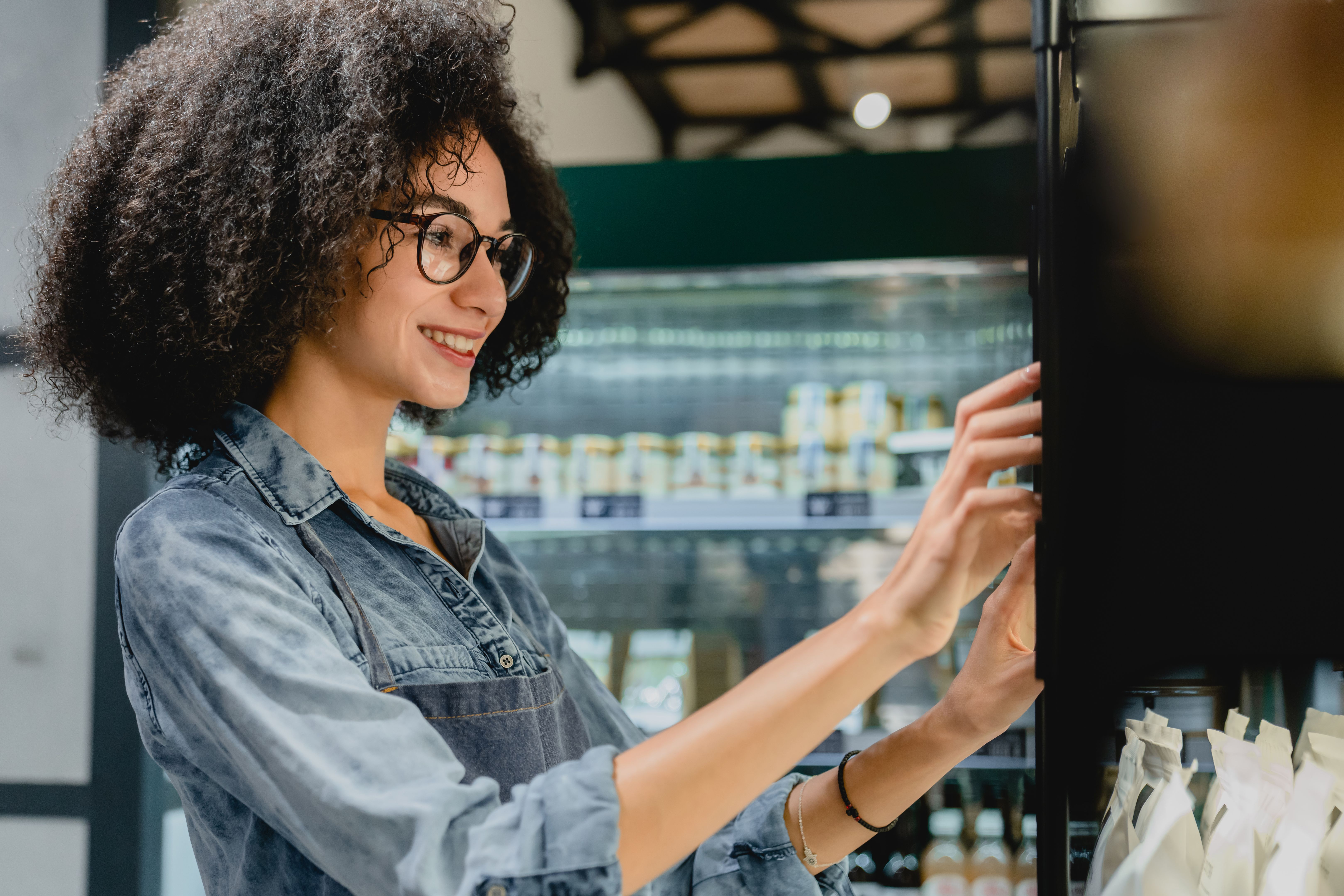
Additionally, local entrepreneurship through vending machines can create jobs, from machine maintenance to product supply, further boosting economic empowerment. As more community members become involved, the positive economic impact continues to multiply.
Enhancing Community Health and Wellness
Health and wellness are crucial aspects of community development. Vending machines stocked with healthy food options and wellness products can play a pivotal role in improving overall community health. Offering fresh fruits, low-sugar snacks, and hydration options can help combat prevalent health issues such as obesity and diabetes.
Furthermore, with the inclusion of health monitoring tools like blood pressure cuffs or glucose monitors, vending machines can serve as a first step in health management for those with limited access to healthcare facilities.
Fostering Community Engagement and Innovation
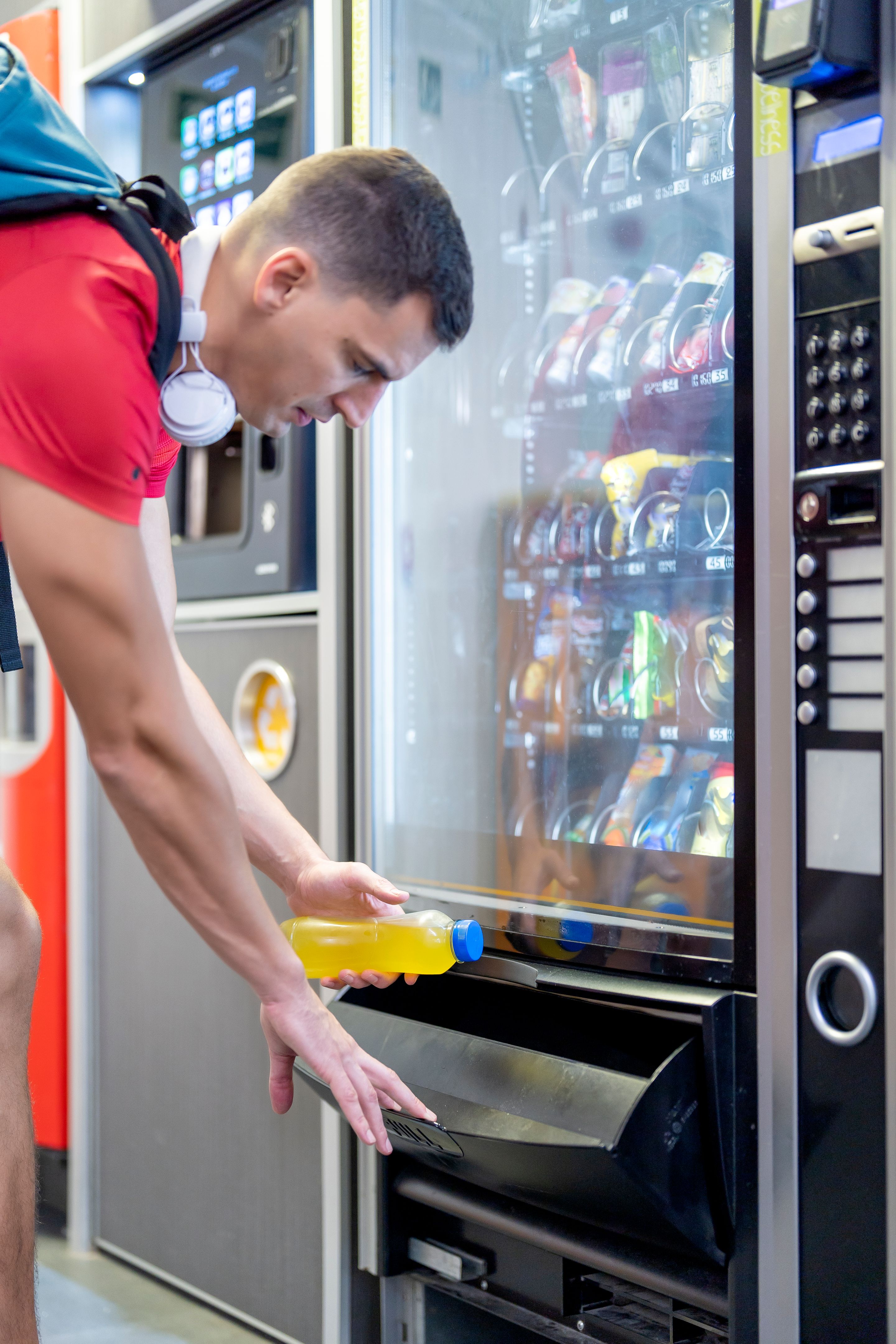
The introduction of vending machines into underserved communities can also act as a catalyst for community engagement and innovation. Residents can be involved in decisions about what products are stocked, ensuring that the machines meet their specific needs and preferences.
This collaborative approach not only fosters a sense of community ownership but also drives innovation. Communities can explore new technologies and payment systems, such as mobile payments or contactless options, enhancing the user experience and making transactions even more accessible.
Conclusion: A Path Forward
In conclusion, vending machines hold the potential to significantly transform underserved communities. By bridging accessibility gaps, empowering local entrepreneurs, enhancing health and wellness, and fostering community engagement, these machines can become a cornerstone of development and improvement. As more communities explore this innovative approach, the possibilities for positive change continue to grow, offering a promising path forward for those who need it most.